
Published on
18 September 2026
What good support looks like: Jane’s story
Rediscovering confidence, friendship and purpose through connection and community.
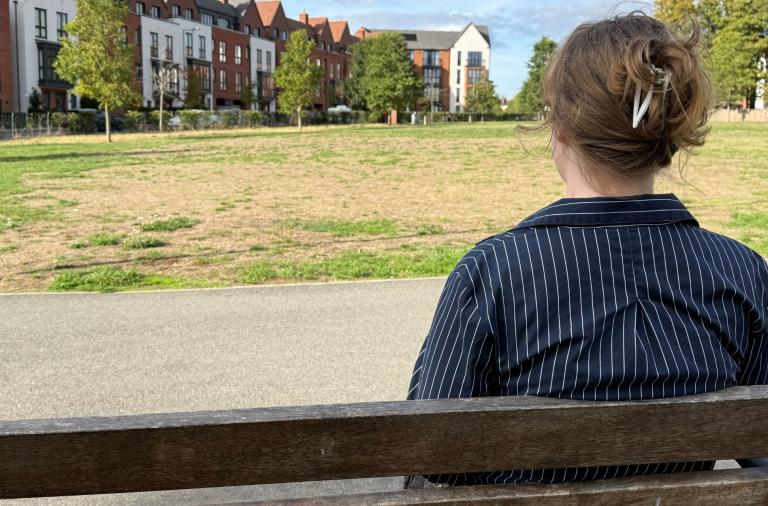
Social Care Future is a commitment to a brighter future for social care. It’s built on a simple belief: we all want to live in a place we call home, with the people and things we love, in communities where we look out for one another, doing the things that matter to us.
Sometimes, we or the people we care about need help the achieve this and this is the role of social care.
Jane's experience shows what happens when different types of support work together: formal support, peer connection, community, and personal relationships.
Starting over
After experiencing a mental health crisis last year, Jane struggled to re-engage with life.
"I didn't go out for weeks," she said. "I would stay at home unless I went shopping with my support worker, and that was pretty much it."
She felt isolated. Confidence gone. Disconnected from the things that used to matter.
When support listens
Jane was referred to the Mental Health Occupational Therapy Reablement Service. But what made the difference wasn't the intervention - it was the approach.
"Carly from the reablement team was brilliant with me," Jane said. "Never, ever did I feel pressure."
Rather than overwhelming her with a prescribed plan, the team listened. They worked at her pace. They treated her as someone with strengths to build on, not problems to fix.
"I've been very fortunate to have those people looking after me," Jane said.
One shift was learning to speak up for herself.
"I say what I feel now, which is more than I used to," Jane said. "If you don't say what's on your mind, how can you get help?"
Learning alongside others
Wokingham Recovery College offers free courses where people learn skills for managing mental health alongside peer support - learning from and with others facing similar challenges. Jane attended the Managing Your Anxiety course.
"The content was really good," she said. "But what really helped was being in a room with people who understood. I got a certificate - I hadn't had one for a few years."
Peer support does something formal services alone can't: it reduces loneliness, builds confidence, helps people recognise their own strengths reflected in others.
Rebuilding connection
Reconnecting with people has been as important as any service. Jane rebuilt her relationship with her son. She made a friendship with a neighbour who became someone she could have coffee with and talk to.
"Being connected with people matters because we're not really designed to just be on our own," Jane said.
Those relationships - family, friends, neighbours - are part of the support system too.
Practical support that doesn't create dependency
Through Friendly Faces, Sophie visits twice a week to provide practical support and encouragement.
"It's invaluable. Sophie is brilliant," Jane said.
What matters is that this support is time-limited and focused on building independence, not creating dependency. It bridges the gap between intensive reablement and living life.
What's changed
When Jane completed a workplace skills assessment, she discovered strengths she hadn't recognised - qualities of a leader, helper and creator.
"These kinds of comments make me think about where I fit in in the world," she said. "They do give me confidence to move forward."
She's now thinking about returning to paid work and helping others. She's reconnected with family. She's made new friendships. She's building a life again.
How it all works together
Jane's recovery didn't happen because of one service. It happened because of an ecosystem of support
This is Social Care Future in action. It's about all of us playing our part – services, communities, friends, family, neighbours. Support that works because we look out for one another. It’s not something that happens to people, it’s something we all do together.
For Jane, that meant reconnecting with family, making new friendships, learning new skills and beginning to see a future where she can contribute again.
Jane's name has been changed at her request.
Get the support you’re entitled to:
Wokingham Wellbeing Service - 1-to-1 help for your wellbeing
Wokingham Recovery College - free mental health courses, support and groups
NHS mental health and wellbeing services - find support for a range of mental health issues
Emotional and mental health - find help for mental health and daily challenges


