
Published on
14 May 2026
Getting to the places that matter: A travel story
One year on, removing bus pass time restrictions is changing lives
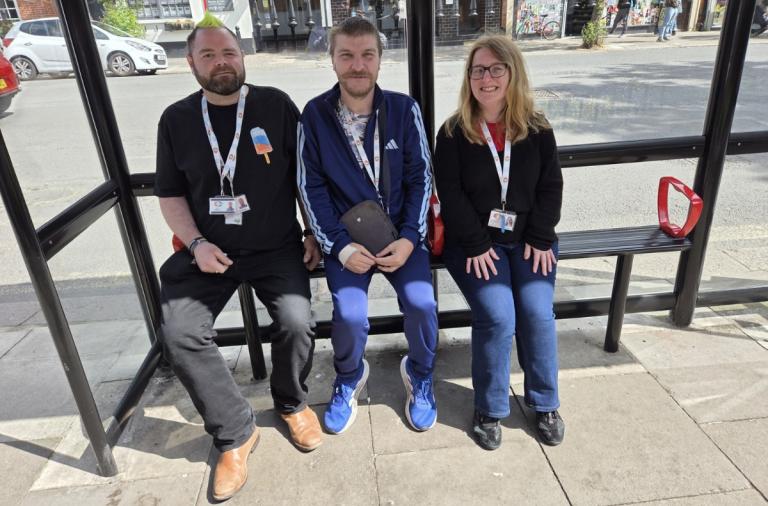
Social Care Future is about doing the things that matter to us - getting to work, seeing friends, being part of our communities. Sometimes the smallest changes make the biggest difference.
In December 2024, Wokingham Borough Council removed all time restrictions on disabled bus passes, in direct response to feedback from disabled residents through Social Care Future conversations. Over one year on, the impact is clear.
Lorna's story
Lorna delivers Oliver McGowan training at local hospitals - sharing her lived experience as someone with a learning disability to help health and social care staff better support disabled people.
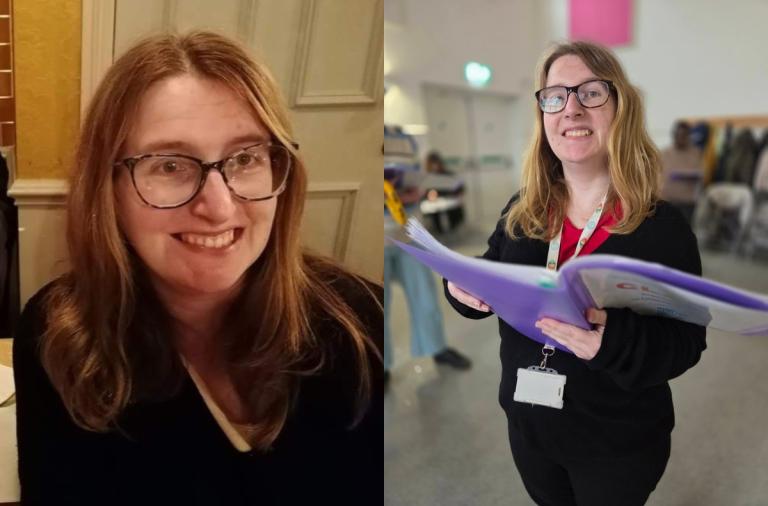
"It means I can get on the bus which goes directly to the hospital at 8am in the morning," Lorna said. "With the change in bus pass times I can use the bus for both journeys."
"I am an expert with lived experience of having a learning disability and I talk about my experience of using health and social care. I love doing it because I get to share experiences, help others, give back to my local hospital and celebrate learning disabilities."
The Oliver McGowan Mandatory Training was made law following the tragic and avoidable death of Oliver McGowan at just 18 years old in 2016. Lorna's work helps ensure health staff understand and support people with learning disabilities and autism.
Ben's story
Ben volunteers as a coffee shop project assistant at CLASP, a self-advocacy group run by and for people with learning disabilities in Wokingham Borough. Every Tuesday, he's responsible for the meet and greet area - welcoming people, registering them, taking entrance money, and adding names to the system.
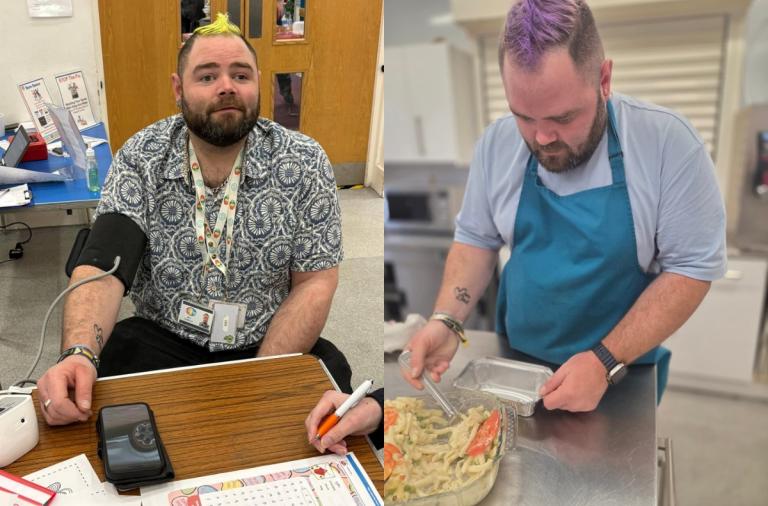
He started volunteering after lockdown and has been working there for a couple of years.
"The people are really nice and friendly, very approachable. I look forward to going in on a Tuesday," he said. "I really enjoy it as I get to socialise with my friends at CLASP. I feel really safe there. I've learned a lot of new skills, I've been on training courses, and recently completed Level 2 in adult safeguarding for people with learning disabilities."
"I have to be in the office by 9.30am in the morning. The restrictions are a lot easier for me now," Ben said. "Before I was on the bus before 9.30am and so I had to pay to travel. Now I can travel for free it makes a huge difference."
"I get out and about more so I'm finding I travel more because of the fact that I can travel at any time."
Dean's story
Dean uses the bus nearly every day. He gets to CLASP for sports sessions at Carnival Hub, where he helps take the money and the register. He also goes to art classes.
Before the change, life was very different.
"It was a nuisance as I couldn't get to places on time." Dean said. "I used to be stuck at home, I don't want to do that anymore. I like to be out and about. I used to be quite shut away and isolated."
Now, the stress has gone.
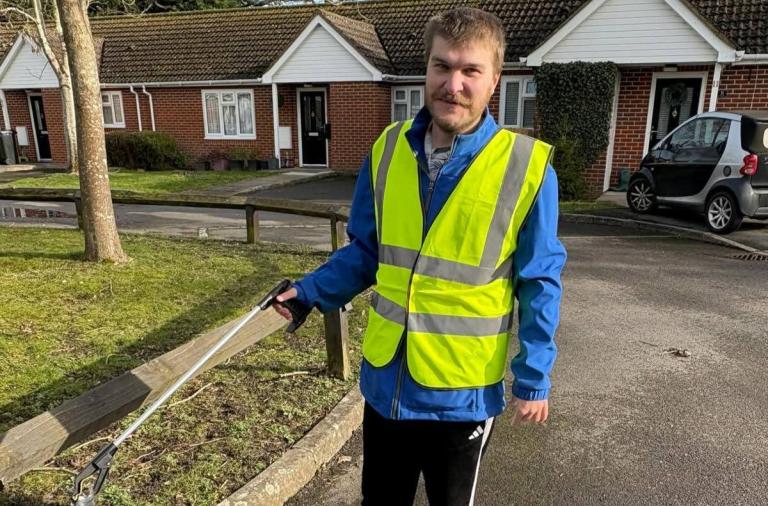
"I can get any bus at any time. I don't need to panic about missing a bus, I can just get the next one. It's so handy now," he said. "It's much better now as it means I can see friends as well. My friends use the bus too so they can also come to see me, we meet in town. It makes life easier."
If buses are too crowded, Dean can wait for the next one without worrying about the cost or the time.
"It gives me more freedom," he said. "Now I get on a bus anytime."
Taking the message to Westminster
In December 2025, the impact of Wokingham's approach was shared at a national event in Parliament.
Callum, a Wokingham Borough resident, member of the Social Care Future Core Group and travel champion, spoke at 'Beyond Fare - Equality through Concessionary Bus Travel' at Portcullis House, hosted by Tom Gordon MP on behalf of Whizz Kidz.
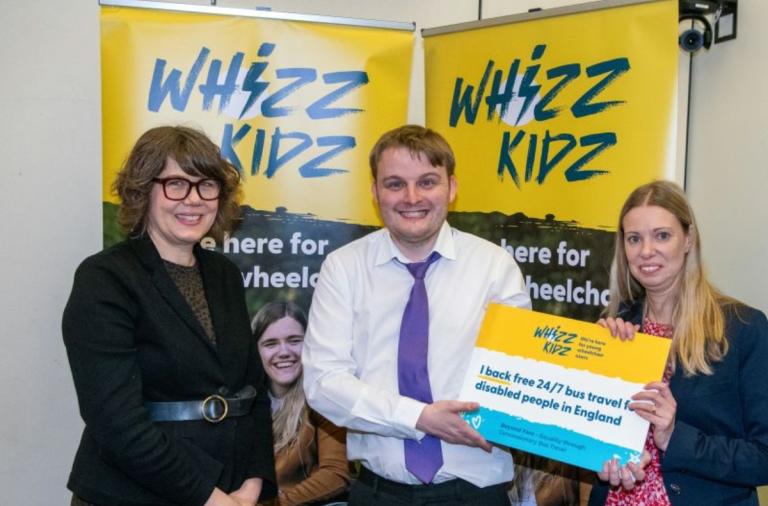
"It's made it easier for me to get around and it means I can be more independent," Callum said. "It should be a national offer. Let's not put disabled people on separate buses or only let them travel at different times of the day, this is stigmatising."
The impact
The change has had a clear impact across Wokingham Borough:
- 23% increase in applications for concessionary bus passes
- 16% overall increase in trips by disabled pass holders
- 10% of trips now taking place before 9am as people travel to work or study
In most of England, disabled people are only entitled to free bus travel between 9.30am and 11pm. About one in four local authorities in England offer free travel for disabled people at all times.
In Wokingham Borough, eligible disabled residents can now travel free at any time on local buses. This includes people receiving certain disability benefits or those with conditions that make walking difficult or impossible.
Supporting the vision in your community
Lorna, Ben, Dean and Callum's stories show what becomes possible when barriers are removed. From getting to work on time, to seeing friends, to advocating for change nationally - this is what "doing the things that matter to us" looks like in practice.
Social Care Future is about creating communities where everyone can live the life they want. Sometimes that starts with something as simple as a bus pass that works when you need it.
Find out more about disabled bus passes and eligibility on our concessionary travel page.


