
Published on
8 June 2026
Supporting a partner through progressive illness: Anne's story
Like many people caring for a partner, Anne didn't think of herself as a "carer"
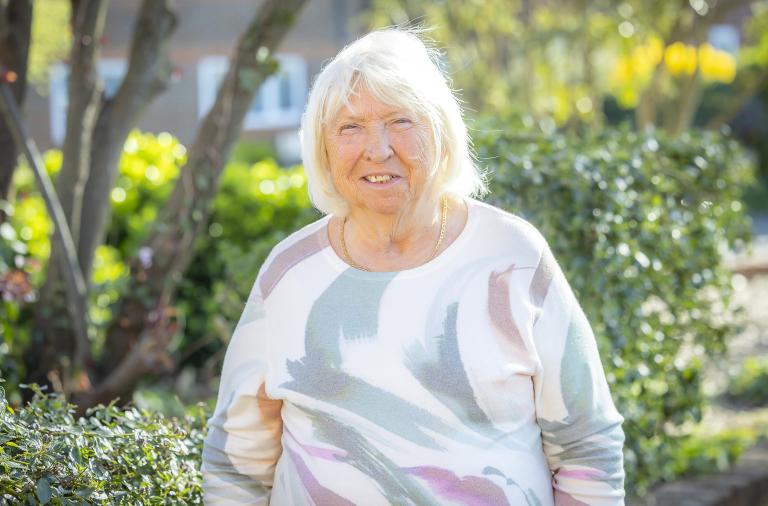
Anne is an unpaid carer for her husband David, who has spinal muscular atrophy - a genetic condition causing progressive muscle weakness due to the loss of motor neurons in the spinal cord.
Like many people caring for a partner, Anne didn't initially think of herself as a "carer."
"You don't normally think of yourself as a carer, or that helping him is caring," she says. "You think of yourself as his wife."
But as David's condition has progressed over the past year, the reality of caring has become harder to ignore. David is now dependent on Anne - she can leave him briefly to pop out, but he needs her to go out with him and assist him with most activities.
"It makes life a lot more stressful because you have to do more things," Anne says.
Finding support
Anne started attending a local carers group at Coronation Hall in Woodley around Christmas, initially looking for practical information about support David might be missing out on.
What she found was more than just answers - she found a community.
"The groups give me emotional support from others who are in a similar position," Anne says. "The ladies who run the group are able to open doors to various other support options."
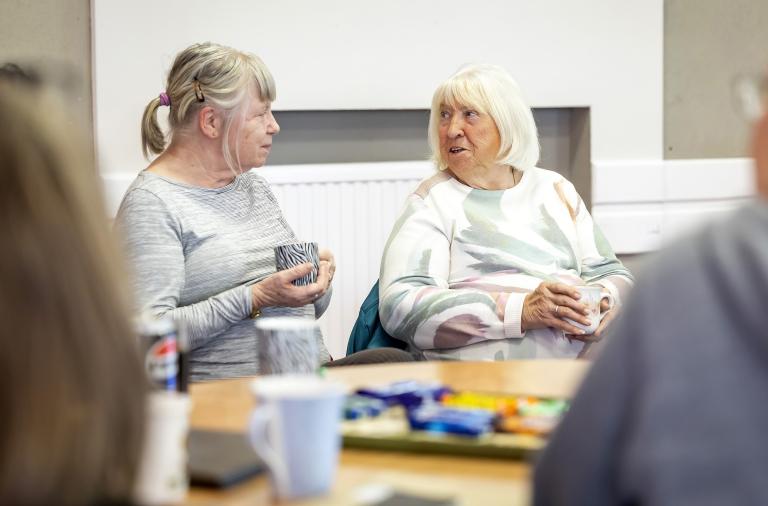
The group meets regularly and brings together people caring in very different situations - for partners, parents, adult children. For Anne, hearing these different stories has been valuable.
"You have a chance to hear everyone who has a different story," she says. "Sometimes it's just chatting about anything and everything, but the ladies who run the sessions always have useful information. You can ask them anything and if they don't know they'll always find out for you."
Not facing it alone
What's helped most isn't necessarily the formal information, though that matters. It's the realisation that she's not alone.
"Having a chat and you realise there are other people like you who are in a similar situation," Anne says. "Lots of people share information they have and that helps other people."
The practical aspects matter - the group is close to home, parking is easy, the atmosphere is welcoming. But it's the human connection that makes the difference.
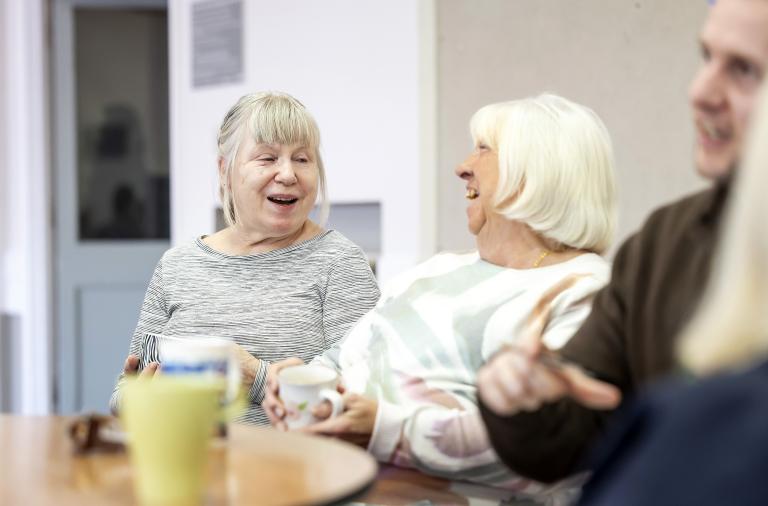
When you're caring for someone you love, especially when their needs are changing and increasing, it can feel isolating. The weight of responsibility, the constant planning, the emotional toll of watching someone's health decline - these aren't things everyone understands.
But in a room with other carers, you don't have to explain. They already know.
Anne's advice to others in a similar situation is simple and direct: come along, especially if you're caring for someone for the first time.
"It's enjoyable to hear from others and find out what's out there for support," she says. "I'd really encourage others who are in a similar situation to come in."
Support options
- Register with Carers UK for support and resources
- Overview of all carer support options
- If you're caring for someone, a carers self-assessment is a good starting point to explore the support available to you.
- Want to help others – how to spot when someone is an unpaid carer
- Contact the Wokingham Carers Partnership or call the support number
- Attend a local support group meeting


