
Published on
24 February 2026
Protecting vital services and investing in the future
The new way of funding local councils means Wokingham Borough will lose over £43m in the next three years
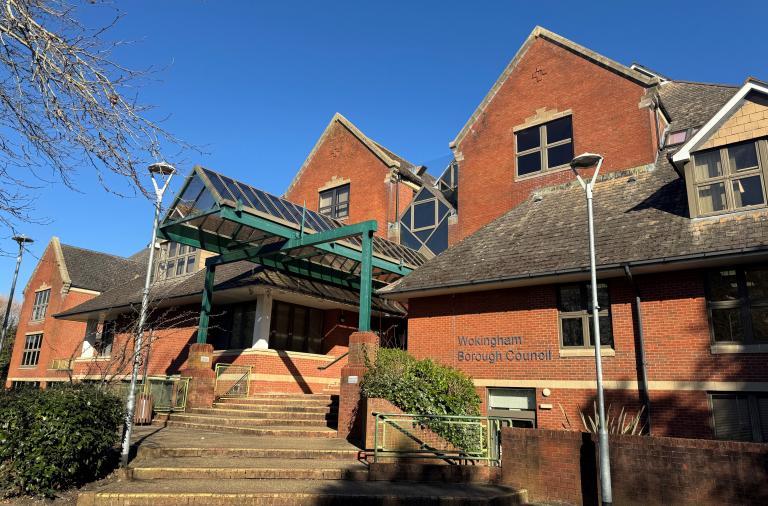
Wokingham Borough Council is set to agree a balanced budget that manages to invest in the future and protect vital services despite historically low funding from the Government.
Next year will see the imposition of the Government’s new way of funding local councils, under which Wokingham Borough will lose over £43m during the next three years.
This reduction – the severest ever experienced by the council – has put pressure on services and means the council must carefully prioritise its limited funds and maximise efficiency.
The result is a proposed budget, to be debated by the council on 26 February, that would see:
- Increased spending to meet the growing needs of adults and children who require most support from the council
- Long-term investment to help people stay healthy and manage future costs
- Further efficiency savings where possible, including through investment in technology
- Increased revenue generation through commercial projects and appropriate increases in fees and charges
Cllr Imogen Shepherd-DuBey, executive member for Finance, said: “When you get as little as we do from the Government and face increasing costs to meet the needs of adults and children with disabilities and long-term conditions, you need to be pretty careful with your money.
“We are determined to be a borough where everybody has the chance to thrive and that means prioritising the people who need most support, generating income where it's sensible and being as efficient as we can be.
“The proposed budget does those things. It includes increased spending on frontline adults and children’s services to meet growing need, but also identifies ways we can save money and generate necessary income, such as better commercial use of our assets, and where we can reduce costs in the long-term.”
Efficiencies identified in the proposed budget include:
- Helping people earlier to prevent crisis in adult services
- Increase use of digital technology
- Staffing change including less reliance on temporary/agency staff in Children’s Services
- Greater use of local care leaver accommodation to save
Income generation proposals including increasing income at Dinton Activity Centre in Hurst.
Balancing the books and maintaining vital service for people will also necessitate increased income from fees and charges, such as on and off-street parking and some minor environmental service reductions.
The severity of the reduction in Government funding means the council will require a planned draw down of earmarked reserves and an increase in our revenue contribution from the sale of assets by £2million a year.
Leader of the council Cllr Stephen Conway said: “This is an incredibly difficult time for many local councils, particularly those hit hardest by reductions in funding from Government like us. We were recently rated one of the most productive councils in the country – but given the stark reduction in government support we need to make more savings and increase revenue further to cover the cost of vital services despite our high levels of productivity.
“We are in a better position than some councils to ride the storm because of prudential budgeting that has seen us build earmarked reserves in recent years to protect against reduced Government funding.
“Another source of financial strength is our work to build partnerships and we will continue to work with strategic and operational partners to provide good, efficient services.”
In terms of long-term investment in the borough, the proposed budget includes commitments on capital projects (new and improved buildings, facilities and infrastructure) of:
- Housing, Local Economy and Regeneration – £47.5m
- Children Services and Schools – £26m
- Roads and Transport – £47m
- Environment – £52m
- Internal Services (including technology) – £6.7m
- Adult Social Care – £4.3m
This covers funding for new projects and continued funding for ongoing work (includes projects listed below).
The council can invest in facilities and improvements (capital) projects because they are funded differently from the ongoing (revenue) costs, such as adult and children social care or waste and recycling.
Capital projects can be funded by money housing developers must pay for infrastructure, borrowing, specific grants or the sale of assets. Generally, money for capital projects is ringfenced for specific use and so it cannot be used to pay for ongoing services.
Capital funded projects for 2026/27
- Care leave accommodation – £2.3m
- Bohunt Sixth Forn expansion – £2.6m
- ICT equipment for Children in Care – £32,000
- SEND resource units and post-16 provision – £9.4m
- SEND special free schools – £2m
- SEND hub (Wokingham Town Centre) – £1m
- Emmbrook Sixth Form – £2m
- Wellington Road affordable housing – £6.3m
- Gorse Ride regeneration – £17.7m
- A4 bus priority route (Sutton Seeds) – £1.2m
- Wokingham Borough cycle network – £1.1m
- Woodley / Reading active travel route – £2.3m
- Safety / crash barriers – £1m
- Road resurfacing and structural maintenance – £4.9m
- South Wokingham Distributor Road – £25.7m
- Expansion of Wokingham Youth & Community Centre – £200,000
- Development of community hubs – £575,000
- Suffolk Lodge refurbishment – £200,000
- Bluebell Care Home – £600,000
- Hollies Care Home – £900,000
- Rook Nest nature park (SANG) – £1.4m
- Barkham Solar Farm – £20.9m
- South Wokingham Sport Facility (Gray’s Farm) – £6.2m
- Replacement of Finchampstead Baptist Church Centre play equipment – £400,000 (50% of which is funded by the Finchampstead Parish Council)
- California Lakeside refurbishment – £430,000 (50% of which is funded by Finchampstead Parish Council)


