
Published on
25 June 2026
More than just a mum: Caroline’s story
Caroline cares for her son Jake, who is 24 and autistic. He was diagnosed when he was 12 years old.
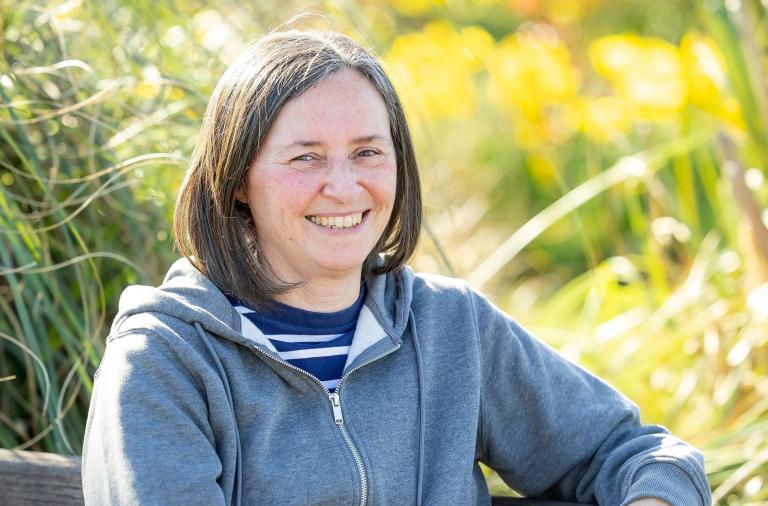
Caroline cares for her son Jake, who is 24 and autistic. He was diagnosed when he was 12 years old.
"When you find out, it becomes 'what do I do and what help can I get?'" Caroline says. "Most of the help comes through charities, but it's focused on what he needs and how he can get help. But these groups are about me and getting the help which I need."
Caroline has been attending local carers support groups for a few years after Maxine from local charity Promise Inclusion referred her. The groups are run by Age UK and Promise Inclusion at community centres in Woodley and Earley.
For Caroline, the value isn't just the social connection - though that matters too. It's the practical help navigating systems that are designed to help but can be difficult to access.
Making systems work for you
"Things like PIP (Personal Independence Payments) and Carers Allowance, they are designed to help but you have to access it and apply for things in certain ways," Caroline explains. "Coming to the group and finding out about how to do that has been so useful. It means I am in a better place to provide support."
The groups have also opened doors to other organisations for both Caroline and Jake - things like job coaching that make everyday life easier.
"Maxine has helped to make it easier and tells me about things I haven't heard of," Caroline says. "Sometimes it's about who can open the door for who."
Finding your people
Beyond the practical support, the groups give Caroline something equally important: a chance to talk to other people who are in a similar position.
"Having people here with Age UK means there are people with different experience of caring. A lot of the issues are quite similar and it's useful to talk to others and meeting new people," she says.
"I come to as many groups as I can. The crafting group means we can sit and talk and it's relaxing for me. It's a real respite."
The connection is powerful. Caroline finds herself sitting down with people she's never met before and just talking - knowing they have this common thing of being a carer.
"We can relate to each other because we have this shared experience of caring," she says.
Recognising yourself as a carer
For a long time, Caroline didn't think of herself as a carer.
"I thought of myself as mum. I was just a mum," she says. "But it's not until you realise - once you acknowledge you are a carer - that you can access all these help and support options. Which benefits you and the person you're looking after."
That shift in perspective opened up possibilities she didn't know existed. Not just services for Jake, but support for her too.
Caroline's advice to other parents in similar situations is clear: come along and get support.
"It makes a huge difference for me. It means support exists not just for Jake but for me and Jake."
The groups are a lifeline - practical help with benefits and systems, connections to other organisations, and the chance to spend time with people who understand what caring really involves.
"I'd encourage other people to come along," Caroline says. "It makes a huge difference."
Get the support you're entitled to:
- Register with Carers UK for support and resources
- Overview of all carer support options
- Want to help others – how to spot when someone is an unpaid carer
- Contact the Wokingham Carers Partnership or call the support number
- Attend a local support group meeting


