
Published on
8 June 2026
Finding time for yourself while caring for a teenager with additional needs: Emma’s story
Like many parents, Emma doesn’t describe what she does as “care”, it’s just what you do for your child.
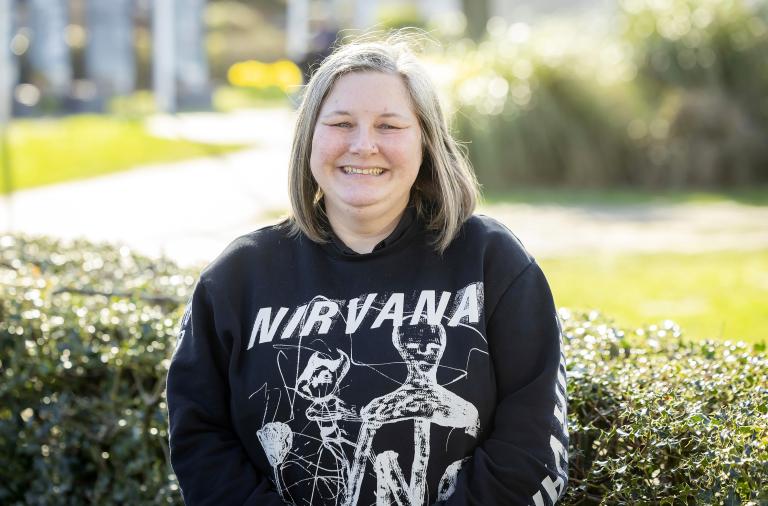
Emma is an unpaid carer for her son Adam, 16, who has ADHD and dyspraxia. Adam also has Gorlin syndrome, which can bring extra appointments and worries on top of everyday life.
Like many parents, Emma doesn’t describe what she does as “care”, it’s just what you do for your child.
But the day-to-day reality can be demanding with keeping track of school and health needs, navigating different services and making sure Adam has what he needs to thrive while also trying to protect a bit of space for herself.
What’s made a real difference for Emma is connecting with other carers.
Not just for practical advice, but for the sense of community that can be hard to find when caring responsibilities take up so much of your time.
“The groups are just a chance to sit and chat with other people and hear about their experiences, see how they might relate to my son or how I can help them,” Emma says
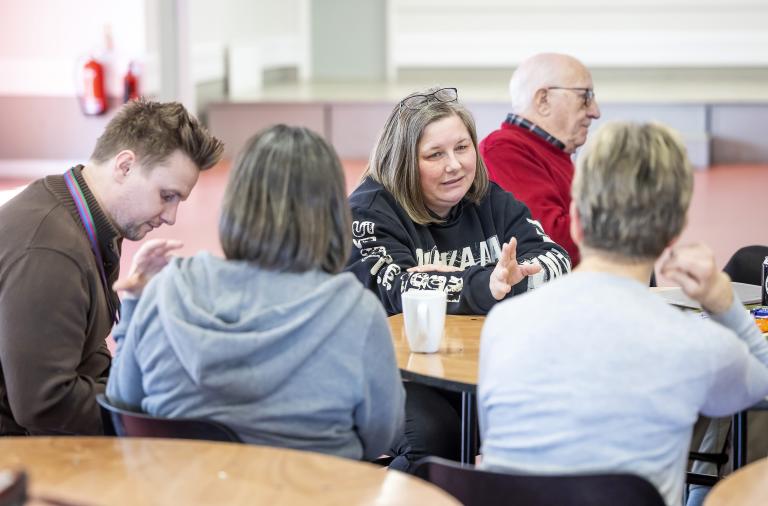
“Maxine from Promise Inclusion helps me with questions all the time. The systems are quite complicated, so we have to do things in certain ways for the DWP (Department for Work and Pensions). The Promise Inclusion groups have been really helpful for me.”
For Emma, the value of the groups is she can share and learn from others who understand the realities of caring, while taking part activities that are simply enjoyable.
This is something that can easily slip down the priority list when you’re caring for someone else.
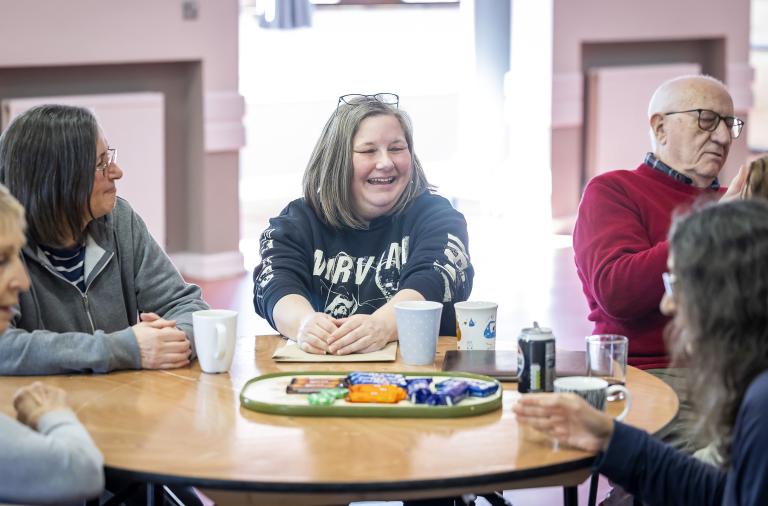
“I go along to the knitting group in Woodley and crafting at the Oakwood Centre. It gives me a couple of hours to do something I want to do,” she says.
“It gives you a sense of community, a chance to take some time for you. I really enjoy crafting so I always go to those ones. I like to knit and crochet, while you can chat and get a chance to help other people.”
Emma’s experience is a reminder that support for unpaid carers isn’t only about big interventions, sometimes it’s the consistent, welcoming spaces that help you keep going.
A warm room, familiar faces, a shared understanding and the simple permission to spend a couple of hours on something you enjoy can make a lasting difference.
And the knock-on effects matter too.
When carers are supported, emotionally, socially, practically, they’re better able to continue in their caring role, and better able to advocate for the person they care for.
Emma’s advice to other carers is straightforward: if you can, try a group, even if you’re not sure what to expect.
You might go for the information, but you’ll often find you leave with something just as important – connection with others.
Support options
- Register now with Carers UK for support and resources
- Overview of all carer support options
- Want to help others – how to spot when someone is an unpaid carer
- Contact the Wokingham Carers Partnership or call the support number
- Attend a local support group meeting


