
Published on
12 June 2026
Finding support after everything changed: Peter’s story
When life changed overnight Peter found support as an unpaid carer
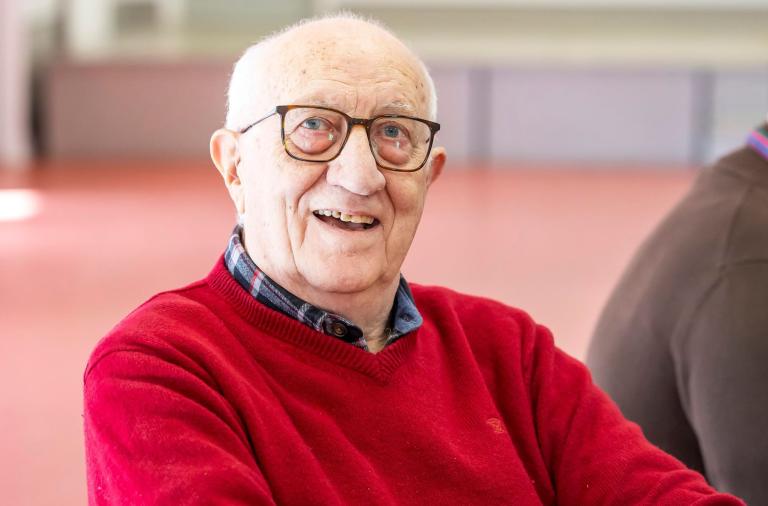
Peter is in his 80s and has been caring for his wife Anne since she had a stroke two years ago.
Before that, he worked in manufacturing, often away from home. At home, they had clear roles - Anne had her things, he had his. He rarely went into the kitchen.
"If I did, my wife would tell me to clear off," Peter says with a gentle laugh.
Then everything changed.
Anne spent months in hospital after her stroke, which left her paralysed down the right side of her body. When she came home in June 2024, Peter found himself doing things he'd never needed or known how to do before.
"I started to realise all of the things she did," he says. "I started to use the washing machine and I just couldn't understand it. I couldn't even work out what setting to put it on."
It wasn't just the practical tasks – it was learning a completely new way of living together.
Getting connected to support
When Anne came home from hospital, lots of different organisations got in touch with ways they could help her. What Peter didn't expect was that there was support for him too.
"They referred the groups to me as an option," he says. "It's fantastic that there were so many ways we could get help."
Peter started attending local carers support groups run by Age UK and Promise Inclusion at community centres in Woodley and Earley.
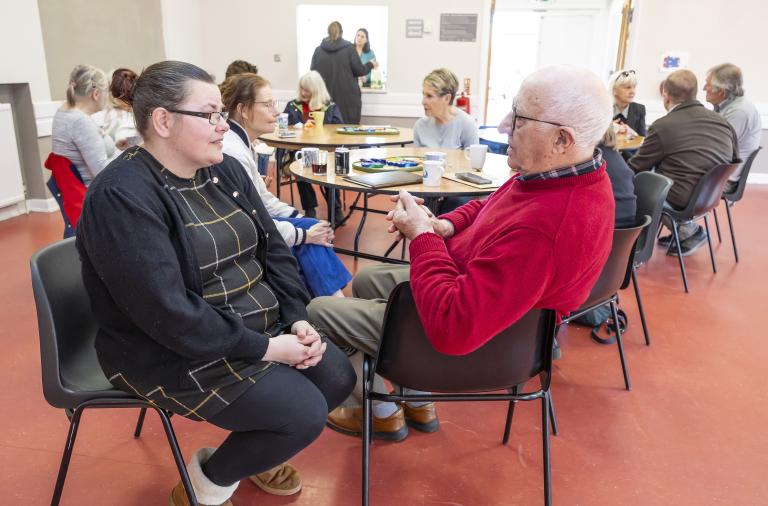
The groups have become an important part of his week - not just for practical advice, but for connection.
"People like Shelley from Age UK are always at the group and can help us," Peter says. "People could start to feel lonely when they're caring. The group helps with that as well as other useful things like making contacts or getting help with other support, because sometimes the systems can be confusing."
You're not alone
Peter wants other carers - particularly men - to know they're not alone in this.
"People think it's more women caring for children or men, but I've got many friends who do it too," he says.
His advice is straightforward: if support is offered, take it. You don't have to figure everything out on your own.
For Peter, the groups have been a lifeline - a place where people understand what caring really involves, where it's OK to admit you don't know how to use a washing machine, and where you can find both practical help and human connection when life has turned upside down.
Get the support you're entitled to:
- Overview of all carer support options
- If you're caring for someone, a carers self-assessment is a good starting point to explore the support available to you.
- Want to help others – how to spot when someone is an unpaid carer
- Contact the Wokingham Carers Partnership or call the support number
- Attend a local support group meeting
- Register now with Carers UK for support and resources


