
Published on
7 September 2026
Borough's bus pass approach reflected in national change
Residents helped shape a local change to disabled bus passes - now the Government is rolling out similar reforms across England
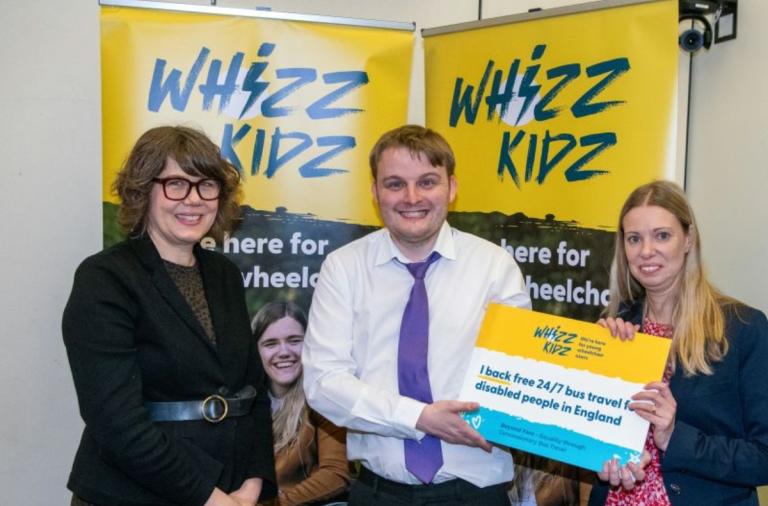
Disabled residents who helped transform bus travel in Wokingham Borough are celebrating after the Government announced plans to roll out unrestricted free bus travel for disabled pass holders across England next year.
The announcement that concessionary travel will be available at any time across England from April 2027 follows years of campaigning by residents, charities and local authorities.
They have been urging Government to remove restrictions that prevented many people from travelling before 9.30am on weekdays.
Wokingham Borough Council was among the first to act, removing all time restrictions on disabled and disabled-plus-companion bus passes in December 2024 after listening to feedback from residents through its Social Care Future (SCF) approach.
Since Wokingham Borough Council removed the restrictions, average monthly applications for disabled and disabled-plus-companion bus passes have increased by 21 per cent compared with 2024.
A separate analysis carried out for Whizz Kidz, the UK’s leading charity for young wheelchair users, also showed a 16 per cent increase in trips between October 2024 and October 2025, with one in 10 journeys taking place before 9am.
A local change reflected at national level
What began as a conversation between residents and council services reflects the kind of change now being seen at a national level.
In December 2025, the impact of Wokingham borough’s approach was shared at a national event in Parliament.
Callum, a Wokingham Borough resident, member of the Social Care Future Core Group and travel champion, spoke at ‘Beyond Fare – Equality through Concessionary Bus Travel’ at Portcullis House, hosted by Tom Gordon MP on behalf of Whizz Kidz.
Impacts of positive change
Callum and council representatives discussed the positive impact the change had made locally, alongside speakers including Prime Minister Andy Burnham (then Mayor of Greater Manchester), and encouraged other areas to adopt a similar model.
They explained how Wokingham’s experience showed the benefits of free travel and how time restrictions elsewhere were limiting the independence of disabled residents.
Speaking about the need for change across the country, Callum said: "It's made it easier for me to get around and it means I can be more independent.
“It should be a national offer. Let's not put disabled people on separate buses or only let them travel at different times of the day, this is stigmatising."
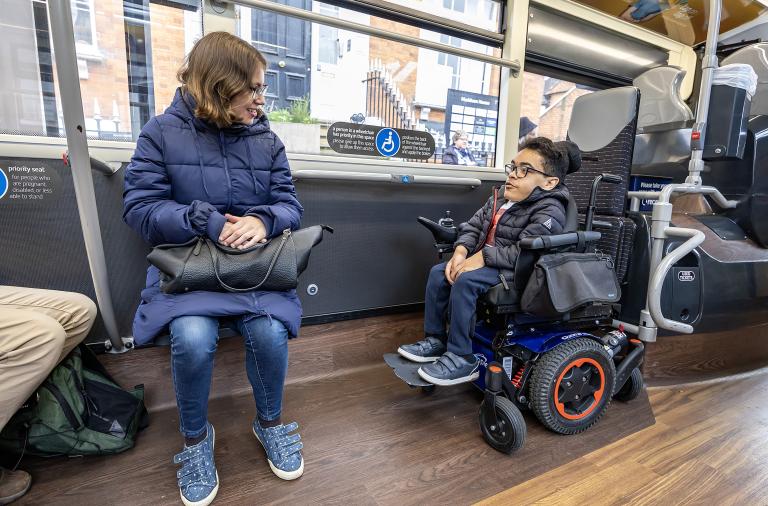
Independence, inclusion and removing barriers to everyday life
The message from Wokingham Borough was simple: when people can travel when they need to, they are better able to access work, volunteering, education, healthcare and social opportunities.
The borough's experience showed that extending bus pass hours was not just about transport, but about independence, inclusion and removing barriers to everyday life.
Callum added: “It makes public transport feel more inclusive. Public transport is meant to be something for everyone to use.”
Following the Government's announcement that free disabled bus travel will be available at any time across England from April 2027, campaigners say the decision will help end the postcode lottery that has existed for years, where only some areas offered unrestricted travel.
For Wokingham Borough's residents and Social Care Future members, the national change is a welcome step that reflects the value of listening to local voices and experiences.
As Callum and others demonstrated in Westminster, local conversations and experiences can be part of a much bigger picture of change.


