
Published on
5 August 2026
Ashenbury Park: what’s happening next
Find out about Ashenbury Park’s history, improvements underway, future ambitions and proposed parking charges.
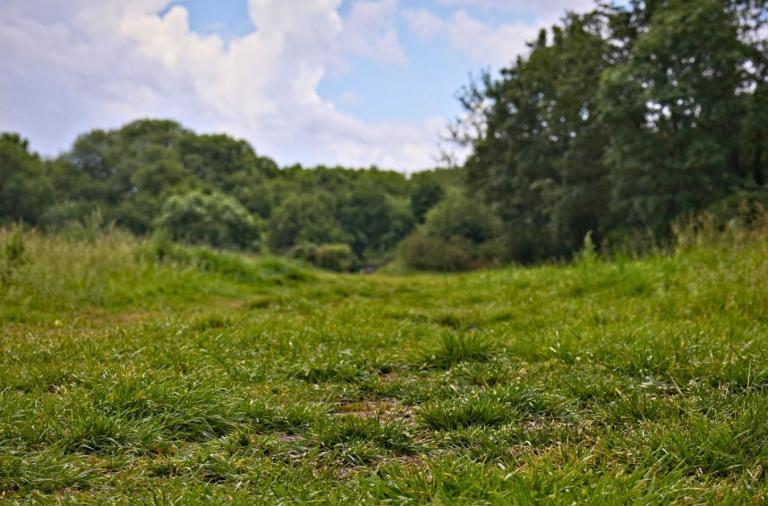
Ashenbury Park is a valued green space for people in Woodley and the surrounding area. It is used every day for walking, exercise, spending time outdoors and enjoying nature.
We want to protect what people value about Ashenbury while making it more accessible, improving its wildlife habitats and securing the funding needed to look after it in the long term.
Our ambition is for Ashenbury to develop gradually into an appropriately-sized country park that reflects the character, scale and needs of the local area. This would not mean turning it into another Dinton Pastures. Ashenbury would remain a local green space first, with facilities and activities proportionate to the site.
There is no finished masterplan. Any significant future improvements would be shaped with residents and park users.
As part of this, we are proposing a £2.50 daily parking charge to help fund the park’s ongoing management, maintenance and future improvement. The consultation on proposed changes to off-street parking is now open and runs until 11.59pm on Wednesday 9 September. It includes a proposal to introduce parking charges at Ashenbury Park.
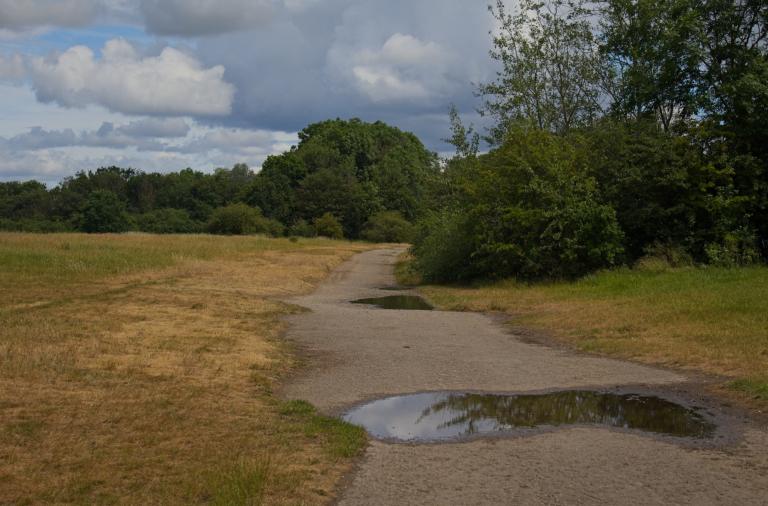
One of the existing footpaths at Ashenbury Park before improvement work began.
From rubbish tip to valued green space
Ashenbury has already undergone a remarkable transformation.
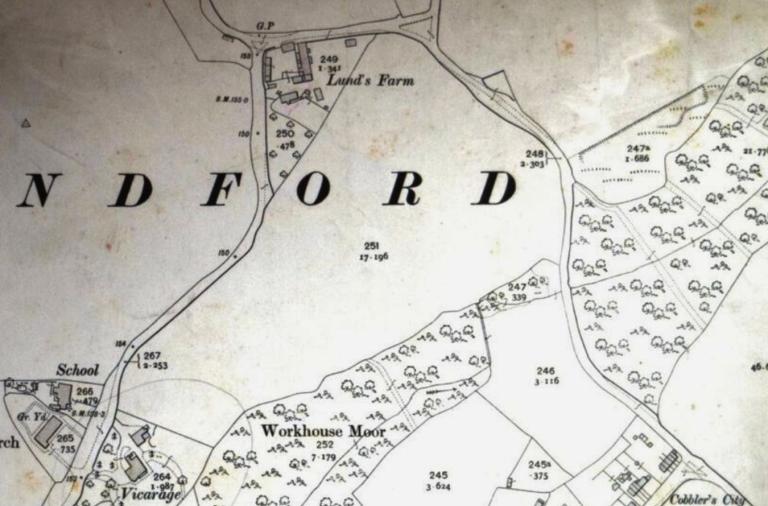
The site was farmland until gravel extraction began, probably in the 1930s. As the workings expanded during the late 1950s and 1960s, earlier pits were filled with rubbish and the area became the old Woodley rubbish tip.
The land was later reclaimed to create the park people enjoy today. The former gravel workings also created Ashenbury Park Lake, which has been used by birds and other wildlife since at least the 1940s.
What was once farmland, gravel workings and a rubbish tip is now a valued local green space. The site later transferred to Wokingham Borough Council, which now manages it for the community.
Our ambition is to continue that positive story.
Making the park easier to use throughout the year
The path improvement project at Ashenbury Park is now complete.
Work began in June and finished in August with the final stone surface laid across an upgraded route network connecting Ashenbury Park with Aldermoors Local Nature Reserve, Waingels Road and Beggars Hill Road.
The improvements create an approximately one-mile circular route and provide a more practical surface throughout the year.
Previously, parts of the park became muddy and difficult to use during wet weather.
The improved paths help more people enjoy Ashenbury throughout more of the year, including wheelchair and mobility aid users, people with pushchairs and cyclists.
For many people, better paths are not just a convenience.
They can mean being able to use the park independently, walk alongside family and friends, use mobility aids more confidently or simply enjoy a visit without worrying about mud, uneven ground or slipping.
They also help reduce erosion and wear on surrounding grassland by encouraging people to stay on established routes.
Why accessible routes matter
A recent survey about physical activity heard from 747 residents. Of those responding:
- 91.1 per cent preferred outdoor activity or a mixture of indoor and outdoor activity
- 60 per cent of those who identified where they were active used roads, cycle lanes and paths
- 48.2 per cent used parks, playing fields and green spaces
- 49.4 per cent said better walking routes would help them use facilities and spaces more
These findings show the important role that accessible outdoor spaces and walking routes play in helping people stay active.
The paths should also help protect the surrounding landscape. When people move around muddy or waterlogged sections, the surrounding ground can become churned and compacted, damaging vegetation and widening worn routes.
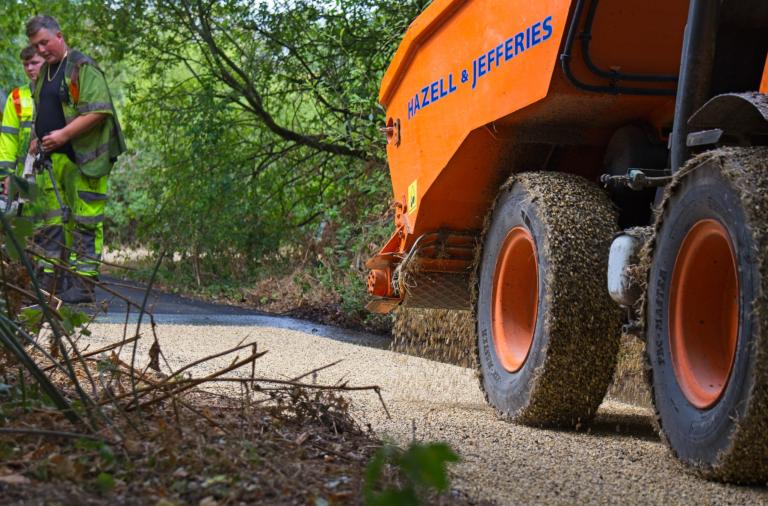
Photo showing the finishing stone topping as it's laid on the paths to help make them accessible to all.
More space for wildlife
Ashenbury is home to a pilot biodiversity net gain project. It aims to create new wildlife habitats, improve existing ones and connect woodland at Ashenbury with neighbouring wildlife sites.
Published proposals include more than 1.7 hectares of native trees and 4.8 hectares of wildflower meadow. Open recreational space and routes through the park would remain so people could continue to enjoy it.
In March 2023, the council approved £201,190 for the ecological enhancement scheme and approved plans to transfer management of the park from its grounds maintenance contractor to its specialist Countryside Service.
The habitats created through biodiversity net gain must be managed and monitored for at least 30 years. Income from biodiversity units is intended to fund the habitat work and its long-term care.
In 2024, 51 people responded to an engagement exercise about the biodiversity proposals. Of the 50 who answered the overall question, 86 per cent supported them.
Residents also emphasised the importance of retaining open space, access and views, and keeping the park usable for children, walkers and dog owners.
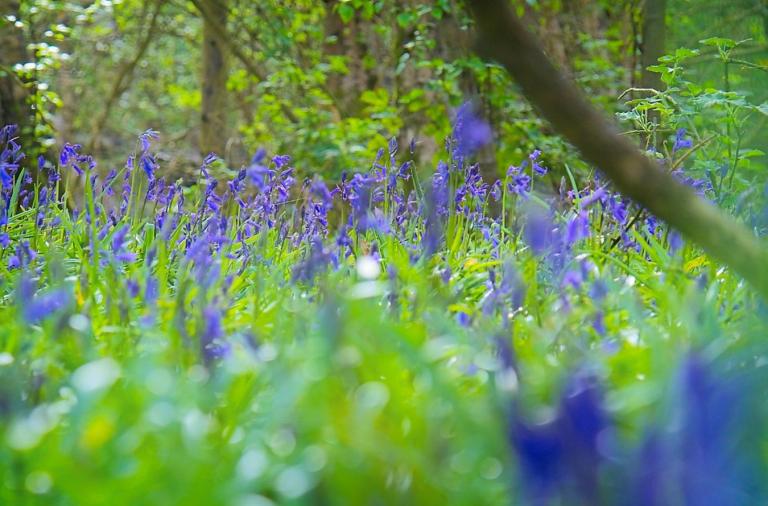
Bluebells flowering at Aldermoors Nature Reserve in spring.
An appropriately-sized country park
Becoming a country park would mean managing Ashenbury in a coordinated way for recreation, public access, wildlife and long-term sustainability.
The focus would be on protecting nature, keeping open space for everyday recreation, improving year-round access and providing modest facilities appropriate to the site.
Possible future improvements could include:
- improvements to the play area or car park
- toilets
- somewhere to buy refreshments
- better information about the park and its wildlife
These are possibilities, not confirmed projects.
Ashenbury could potentially host occasional small-scale community or recreational activities where suitable. No events programme has been agreed.
Any future proposal would need to be appropriate to Ashenbury’s character and scale, demonstrate community benefit and consider its impact on residents, traffic, parking, noise, ground conditions and wildlife. It would also need to meet any relevant planning and regulatory requirements.
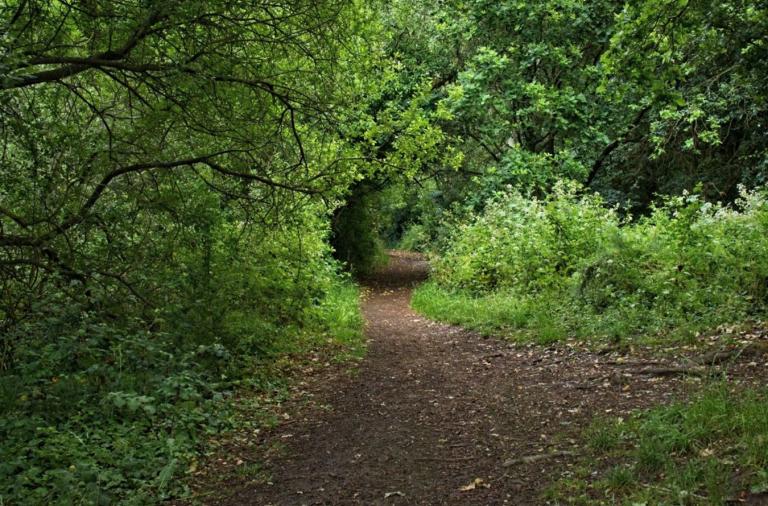
Woodland at Ashenbury Park.
Proposed parking charge
We are proposing a flat charge of £2.50 per day at Ashenbury Park car park. This is part of a wider consultation on off-street parking and is not a charge to enter the park. The consultation is now open. Read the proposals and have your say by 11.59pm on Wednesday 9 September.
People arriving on foot, by bicycle or by mobility scooter would continue to visit without paying to park.
The proposed arrangements would include a 15-minute grace period, allowing for drop-offs and collections.
Income generated from the car park would support Ashenbury’s ongoing development, management and maintenance. It would help provide a more reliable source of funding for looking after the park and making future improvements possible.
Blue Badge holders would be able to park free of charge, in line with arrangements at the borough’s other country parks. Additional Blue Badge spaces would be provided when the car park is relined.
Why income is essential
The council must balance investment in parks with its legal responsibility to provide essential services, including support for adults and children who need care.
Under the Government’s new funding arrangements, Wokingham Borough is expected to lose more than £43 million over three years.
Around 70 per cent of council spending supports adult and children’s services, so we must prioritise limited funding while finding appropriate ways to support other valued facilities.
Across the borough, income from car parks, events and other countryside activities helps pay for the protection, management and improvement of our country parks and green spaces.
The proposed charge would be paid by anyone choosing to use Ashenbury car park, not just local residents. It is not a charge to enter the park.
Income generated from the car park would help support Ashenbury’s ongoing development, management and maintenance. Like other council income, it also contributes towards the wider services residents rely on across Wokingham Borough.
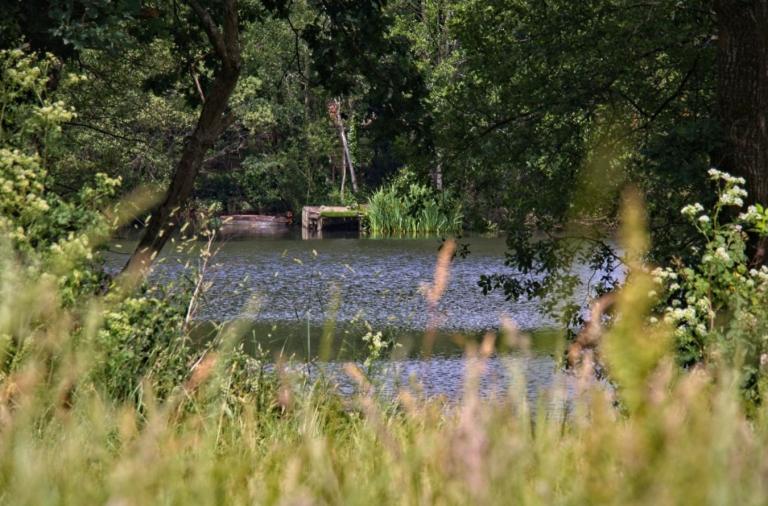
Ashenbury Park Lake viewed through trees and tall grasses.
Shaping Ashenbury together
We recognise that Ashenbury is highly valued. Our aim is to build on that.
The consultation on proposed changes to off-street parking is now open and runs until 11.59pm on Wednesday 9 September. It includes a proposal to introduce a flat daily parking charge of £2.50 at Ashenbury Park, with the first 15 minutes free and free parking for Blue Badge holders.
There is no finished masterplan for Ashenbury. If significant proposals for future facilities, activities or events are developed, residents and park users would have further opportunities to help shape them before decisions are made.
Frequently asked questions
Is Ashenbury Park being sold or developed for housing?
No. The plans are about protecting and improving Ashenbury as a public green space and developing it gradually into an appropriately-sized country park for the local community.
Would Ashenbury become another Dinton Pastures?
No. Ashenbury is a different site with its own character, constraints and community. It would remain a local green space, focused on nature, accessible routes, open space and modest facilities suitable for its size.
Will I have to pay to enter the park?
No. The proposal is for a parking charge, not an entrance fee. People who walk or cycle to the park would not pay it.
How much would parking cost?
The proposed charge is a flat rate of £2.50 for the day. The proposed arrangements would also include a 15-minute grace period.
Will Blue Badge holders have to pay?
No. Blue Badge holders would be able to park free of charge, in line with arrangements at the borough’s other country parks. Additional Blue Badge spaces would be provided when the car park is relined.
Has the parking charge already been decided?
No. The charge is being proposed through the council’s process for changing off-street parking arrangements. Feedback received through that process will be considered before the arrangements are finalised.
Why should local people have to pay?
Ashenbury Park is easily accessible to local people on foot, by bike or by mobility scooter.
Only people choosing to use the car park for longer than 15 minutes would pay.
The income would help meet the cost of managing, maintaining and improving Ashenbury at a time when council funding is reducing.
Will the money be spent at Ashenbury?
Income generated from the car park would help support Ashenbury’s ongoing development, management and maintenance.
Like other council income, it also helps support the wider services residents rely on across Wokingham Borough.
Why were the paths improved?
The existing network was patchy and in poor condition, and parts of the park became difficult to use in wet weather.
The improved paths will make the park easier to use throughout the year. They will help prevent ground damage and compaction during wet weather, create a circular route for exercise and enjoying nature, and strengthen links with nearby green spaces.
Are the improved paths finished?
No. The paths are scheduled to be completed during the week beginning 17 August.
The dark surface currently visible is the tarmac base, not the finished appearance.
Once the base has set, a final layer of fine granite will be applied to create a rolled gravel surface, similar to the paths at Dinton Pastures.
Will vehicles use the improved paths?
The surfaced route is a footpath, not a new road. Public vehicles would not use it, although council or contractor vehicles may occasionally need access for maintenance and site management.
Are toilets, refreshments and play improvements confirmed?
No. They are possible future improvements.
Any proposal would depend on feasibility, funding, planning requirements and engagement with residents.
Will there be events at Ashenbury?
There is currently no agreed events programme for Ashenbury Park.
Ashenbury may be able to host occasional small-scale community or recreational activities in future, but any proposals would need further consideration and engagement with residents and park users before decisions are made.
Will open space or dog walking be restricted?
There is no proposal to prevent dog walking or remove open recreational space.
Future management would need to balance everyday use of the park with protection of newly-created habitats.
How is the biodiversity work funded?
The original scheme included £201,190 of capital funding. Its business model uses income from biodiversity units to fund habitat creation, monitoring and specialist management for at least 30 years.
How can I have my say?
This consultation is about parking arrangements. There is no finished masterplan for Ashenbury. If significant proposals for future facilities, activities or events are developed, there would be further opportunities for residents and park users to help shape them before decisions are made.


